
Appointment Contact
+91 9137218557145B Lilian Hs, Sh 6, 1st Flr, Bhandar Galli,
Mahim West, Mumbai – 400016.10:00 am - 01:00 pm | 4:00 pm - 8:00 pm
drnikhilgurjar@gmail.com

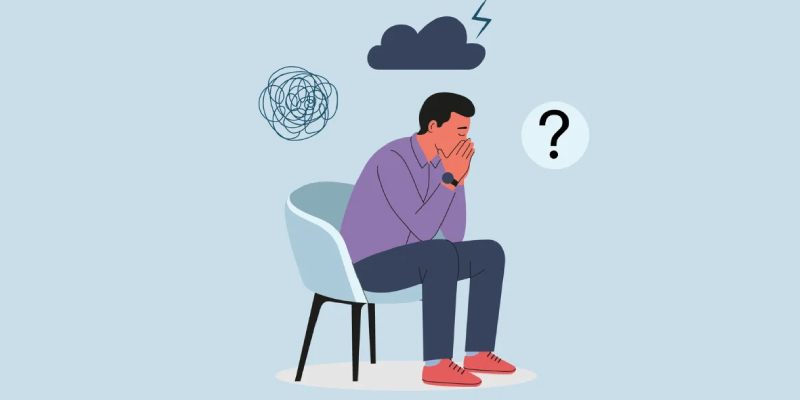
Recognizing Early Signs of Depression in Teens and Why Early Intervention Matters
Adolescence is a stage of rapid growth and change. While mood swings and occasional irritability are common in teenagers, it is important for parents, teachers, and caregivers to recognize when these shifts may point to something more serious, such as depression.
Why teens are vulnerable
Teenagers today face academic pressures, social challenges, and the influence of social media. These stressors, combined with the emotional turbulence of growing up, can sometimes lead to depression. Unlike adults, teens may not always express their feelings openly, making it harder to identify the problem.
Early signs to watch for
Some indicators of teen depression include:
● Withdrawal from friends and family
● Loss of interest in activities they once enjoyed
● Declining performance in school
● Changes in sleep and appetite
● Frequent irritability or anger outbursts
● Expressions of hopelessness or worthlessness
It is important not to dismiss these signs as “just teenage behavior.” When such patterns persist, they may indicate a deeper struggle.
The importance of early intervention
When depression in teens is identified early, treatment is often more effective. Professional support can help teens develop healthy coping skills, improve communication, and manage their emotions in a safe environment. Early psychiatric care can also reduce the risk of long-term consequences, such as chronic depression or self-harm.
How psychiatry can help
A psychiatrist can provide an accurate diagnosis, offer counseling, and, if necessary, prescribe medication to stabilize mood. Just as importantly, they can guide families on how to create a supportive environment for their teen.
Recognizing and addressing depression in teens is not just about treatment. It is about giving young people the chance to grow into healthy, resilient adults.
