
Appointment Contact
+91 9137218557145B Lilian Hs, Sh 6, 1st Flr, Bhandar Galli,
Mahim West, Mumbai – 400016.10:00 am - 01:00 pm | 4:00 pm - 8:00 pm
drnikhilgurjar@gmail.com

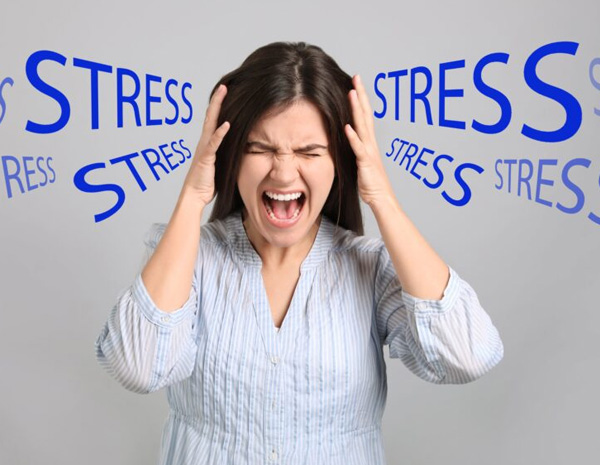
The Long Term Impact of Chronic Stress on Mental Health
Stress is a natural response to challenges and responsibilities. In small amounts, it helps people stay focused and alert. However, when stress continues for long periods without proper recovery, it can begin to affect mental and emotional health in serious ways.
Chronic stress develops when the mind and body remain under constant pressure for weeks or months. Work demands, financial difficulties, family responsibilities, relationship issues, and lifestyle imbalance are common causes. Many people become so used to functioning under stress that they stop recognizing how deeply it is affecting them.
The impact of chronic stress is not only emotional. It affects concentration, memory, sleep, mood, and physical energy levels. People often experience irritability, fatigue, emotional numbness, and difficulty relaxing. Some begin withdrawing from social interactions or lose interest in activities they once enjoyed.
From a psychiatric perspective, prolonged stress keeps the brain in a constant state of alertness. Stress hormones remain elevated, making it difficult for the nervous system to recover. Over time, this can increase the risk of anxiety disorders, depression, burnout, and sleep disturbances.
Chronic stress also affects the body. Frequent headaches, muscle tension, digestive issues, and reduced immunity are common physical effects. When mental and physical symptoms combine, everyday functioning becomes more difficult.
One of the biggest challenges with chronic stress is that it builds gradually. People often ignore early signs because they believe stress is normal or temporary. By the time symptoms become severe, emotional exhaustion may already be affecting work performance, relationships, and overall quality of life.
Psychiatric care focuses on identifying the sources of stress and understanding how they affect mental health. Treatment may include therapy to improve coping strategies, emotional regulation, and stress management. Lifestyle adjustments such as structured routines, better sleep habits, regular breaks, and healthier boundaries are also important parts of recovery.
In some cases, medication may help manage severe anxiety or mood symptoms linked to chronic stress. Managing stress is not about avoiding responsibilities. It is about recognizing when the mind has been carrying too much for too long. Seeking help early can prevent long term mental health complications and help restore emotional balance.
Mental well being is not built through constant pressure. It grows through rest, awareness, and support when needed.
