
Appointment Contact
+91 9137218557145B Lilian Hs, Sh 6, 1st Flr, Bhandar Galli,
Mahim West, Mumbai – 400016.10:00 am - 01:00 pm | 4:00 pm - 8:00 pm
drnikhilgurjar@gmail.com

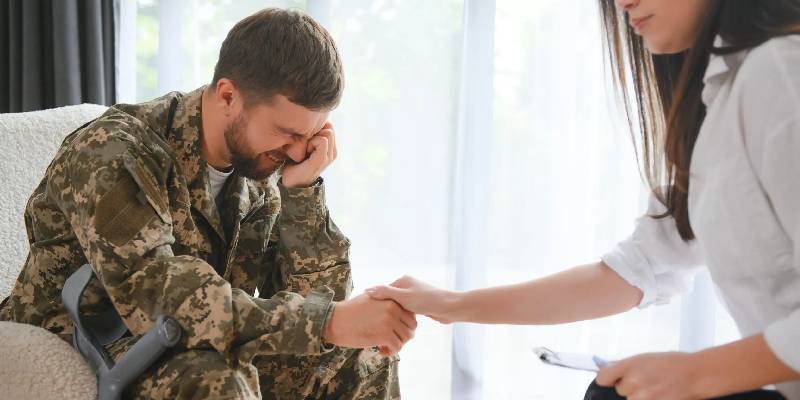
Breaking the Silence: Understanding PTSD Beyond the Military
When most people hear the term PTSD (Post-Traumatic Stress Disorder), they often picture war veterans or soldiers returning from combat. While it is true that PTSD is common in the military, it is important to understand that trauma is not limited to the battlefield. PTSD can affect anyone who has experienced or witnessed a deeply distressing or frightening event.
From survivors of abuse and accidents to individuals who have lived through natural disasters or sudden loss, PTSD has many faces. The silence around civilian PTSD has left countless people undiagnosed, misunderstood, or too afraid to speak up. It is time we change that.
What PTSD Really Is
PTSD is a mental health condition triggered by a traumatic experience. Symptoms can vary from person to person but often include flashbacks, nightmares, severe anxiety, emotional numbness, and avoidance of anything that reminds the person of the trauma.
While it is normal to feel afraid or upset after a traumatic experience, people with PTSD continue to feel these intense emotions long after the event has passed. It affects daily life, relationships, and the ability to function.
Who Can Have PTSD?
PTSD is not limited to one type of trauma or one group of people. Civilians can develop PTSD from:
● Childhood abuse or neglect
● Domestic violence
● Sexual assault
● Serious car accidents
● Sudden death of a loved one
● Witnessing violence or crime
● Medical emergencies or chronic illness
This means PTSD can affect students, parents, teachers, professionals, or anyone who has gone through a life-altering experience. And yet, many suffer in silence because their trauma doesn’t "look" like the stereotypes.
Why Early Intervention Matters
PTSD does not always show up immediately. Sometimes, symptoms can appear months or even years after the trauma. Without the right support, individuals may struggle with anxiety, depression, substance use, or self-harm.
Recognizing the signs early and seeking help is crucial. Therapy, psychiatric care, and support groups can make a tremendous difference. Treatments such as cognitive behavioral therapy (CBT), trauma-focused therapy, and in some cases medication, help manage symptoms and begin the healing process.
Let’s Normalize PTSD Conversations
Talking about PTSD should not come with fear or shame. If someone is struggling, validating their experience is the first step toward healing. Mental health professionals, including psychiatrists, are here to offer judgment-free support.
You don’t need to be a war veteran to deserve help. If you or someone you know is living with the weight of trauma, reach out. Early support can change everything.
